Children are naturally inquisitive, which makes them ideal scientists. Bot h boys and girls are curious and want to learn about the world and how it works. The minute that children start to talk – they look around and begin … Read the rest
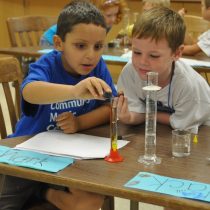
Children are naturally inquisitive, which makes them ideal scientists. Bot h boys and girls are curious and want to learn about the world and how it works. The minute that children start to talk – they look around and begin … Read the rest

The youth development structure is a technique to dealing with adolescents that involves four things: it is designed to meet the developing needs of youth, develops on their sources and potential, opinions adolescents as sources and develops relationships with youth … Read the rest
School science workshops invite children to step into the role of young investigators, turning natural curiosity into guided discovery. Because young learners are eager to ask how the world works, hands-on sessions can transform everyday questions into opportunities to explore materials, observe patterns, and test simple ideas together. In a classroom or lab setting, students handle tools, record what they notice, and compare their findings with classmates, building habits of careful observation and collaborative reasoning that extend well beyond a single lesson.
Youth development frameworks offer a structured way to support adolescents as they grow intellectually, socially, and emotionally. By aligning activities with the changing needs of young people, these approaches help educators and community partners create environments where teens feel respected, capable, and connected. Such models typically emphasize skill building, positive relationships, and meaningful participation, encouraging young people to contribute ideas, reflect on experiences, and take on responsibilities that match their stage of development.
Effective learning environments depend on more than curriculum alone; they rely on libraries, study spaces, and digital resources that allow students to read widely, search for information, and analyze what they gather. When schools and universities integrate library services with classroom instruction, learners gain steady access to books, online sources, and reference tools that support writing, research, and exam preparation across subjects ranging from literature and history to calculus and the sciences.